



A New Tudor Discovery
A newly discovered manuscript offers fresh insight into the history of the Gage family and their place in Tudor England.
At Firle Estate, history is not simply preserved in our buildings, collections and landscapes. It is also found in the stories of the people who shaped the estate and lived through some of the most significant moments in British history.
A recent discovery by researchers from the University of Sussex and the University of Cambridge has brought one such story into renewed focus, revealing a fascinating connection between Sir John Gage, Firle Place, and the religious upheavals of Tudor England.

A Tudor Statesman with Divided Loyalties
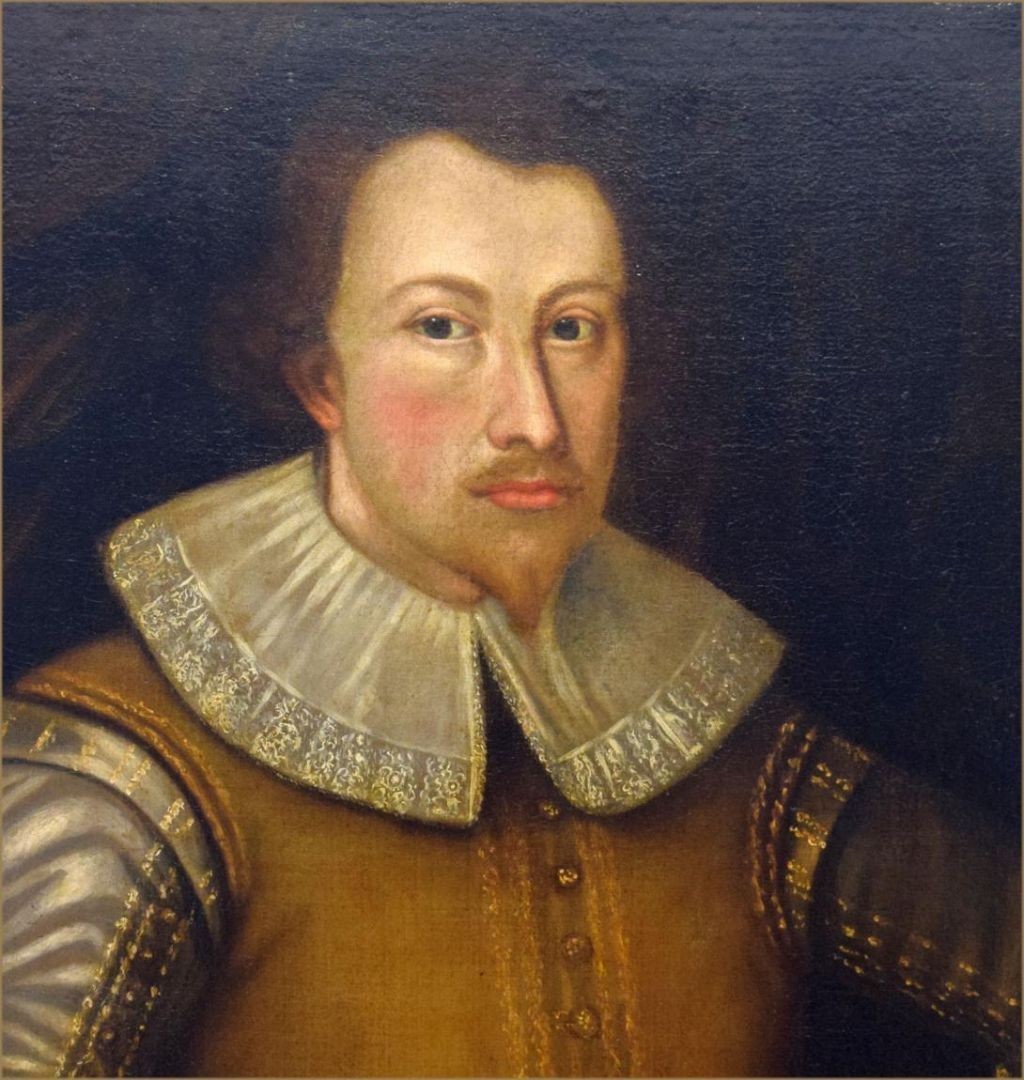
Sir John Gage (1479 – 1556) was a prominent figure in the court of King Henry VIII. A trusted royal servant, he held several important positions, including serving as vice-chamberlain of the royal household, and was significantly involved in the dissolution of Catholic monasteries during the English Reformation.
However, new research suggests that his relationship with the religious changes of the period was more complex than his public duties might suggest.
Researchers Katie Walter and James Wade have traced six manuscript pages held in the Keep Archive in Brighton to a copy of The Mirror of the Blessed Life of Jesus Christ, a Catholic devotional work written by Nicholas Love in the early fifteenth century.
The Mirror of the Blessed Life of Jesus Christ, written in the early 15th century, was once considered an orthodox devotional text and even bore the approval of Archbishop Thomas Arundel, the outspoken opponent of the Lollards.
While once widely read and accepted, it became dangerously subversive in the eyes of the Tudor state. Indeed, by the time of the English Reformation, elements of the book, including its affirmation of Catholic sacraments and the real presence of Christ in the Eucharist, had become deeply controversial.
In the early 15th century, having bible translations in English was often punishable by death. But Nicholas Love’s translation offered a safe alternative.
During the Reformation, however, the same text became a symbol of defiance, with its advocacy of Catholic doctrine placing its owners at serious risk.
The pages of this text were found to belong to a manuscript now held at Yale University, where Sir John Gage’s signature appears among the names of its former owners.
This discovery raises the possibility that Gage helped preserve a Catholic text at a time when books expressing traditional Catholic beliefs faced suppression and destruction.
As James Wade explained, Gage may have acquired the manuscript from a monastic library and kept it safe despite his responsibilities in enforcing the King’s policies.
Firle and the Gage Family’s Enduring History
The discovery offers a compelling insight into the personal convictions and complex circumstances of a man who played a significant role in Tudor England.
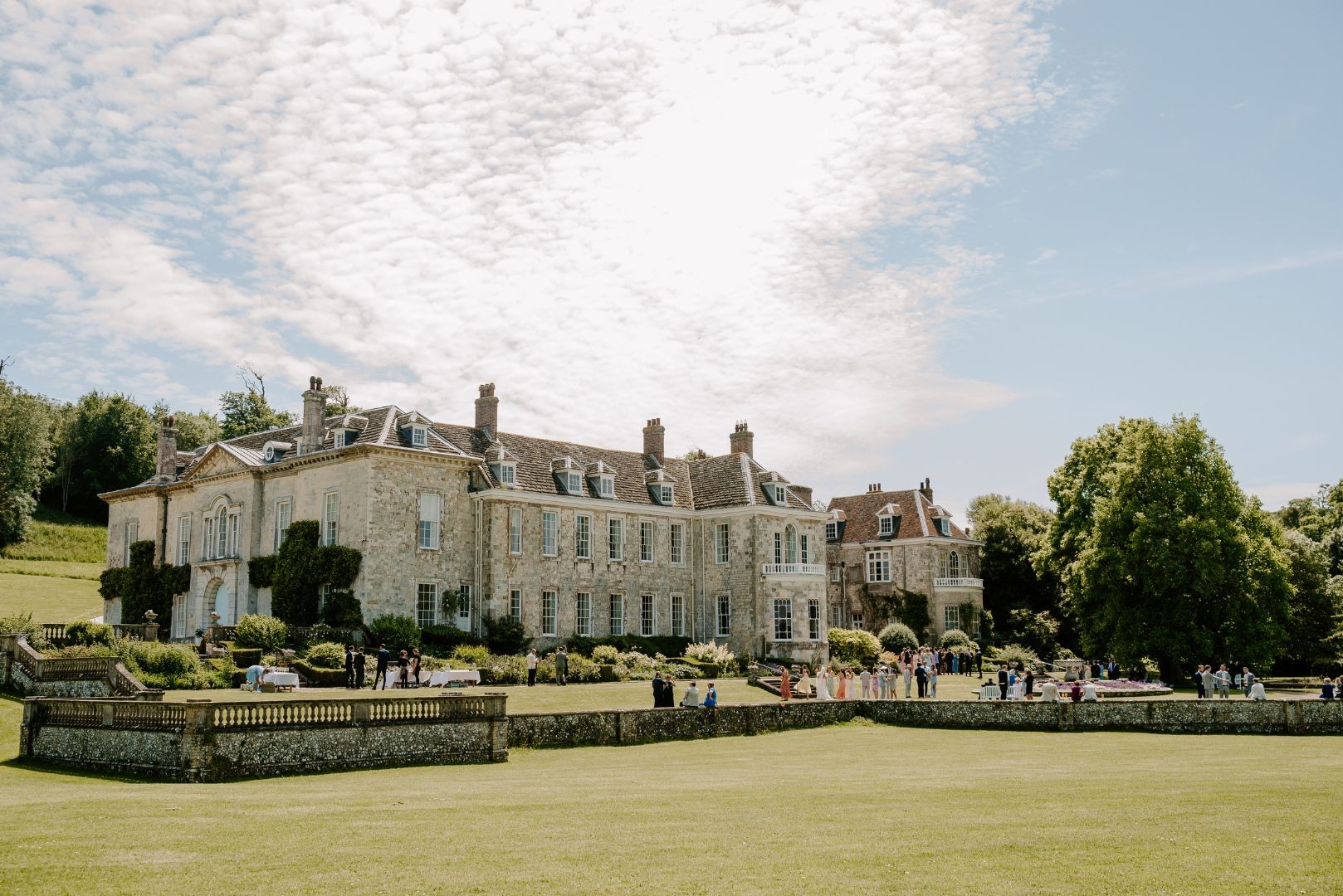
Sir John Gage’s connection to Firle forms part of a much longer family history. The Gages established their association with Firle in the fifteenth century, following William Gage’s marriage to Agnes Bolney. Sir John later made Firle Place his principal home, establishing a lasting connection between the family and the estate.
Over the centuries, the Gage family has witnessed and participated in many of the defining events of British history. Their story reflects the changing political, religious and cultural landscape of the country, while Firle itself has remained a place where this history can be explored through its architecture, collections and surrounding landscape.


Discover the History of Firle Place
For us at Firle Estate, discoveries such as this reinforce the importance of preserving and sharing the stories that connect the estate to the wider history of England.
From the Tudor origins to the Georgian refinements of Firle Place, to the history of the 7000-acre Estate, Firle offers visitors an opportunity to get up close and personal with centuries of history. The house’s historic interiors and private collection of art, furniture and porcelain provide further insight into the lives, interests and legacy of the Gage family. The landscape it sits in tells the story of generations of farming, biodiversity, countryside tradition and rural economic development.
Whether visiting Firle Place, exploring the history of the wider Estate, or considering Firle as a venue for your private event of wedding, guests encounter a setting shaped by generations of stewardship and a remarkable connection to the past.
We invite you to discover Firle Place and explore the history of one of Sussex’s most distinctive historic estates.