



Sustainable Events: What Should Event Organisers Be Asking?
The Sustainable Event Venue: What Should Event Organisers Be Asking?
Sustainability is a critically important consideration when businesses choose where to host their events. For brands planning conferences, away days, product launches, gala dinners and other sustainable corporate events, the choice of venue can have a significant influence on the environmental and social impact of the occasion.
The most responsible venues have sustainability embedded into the way they manage their buildings, land, suppliers, catering, employees and resources.
For event organisers, therefore, the right questions go far beyond simply “Is the venue sustainable?” They should ask how sustainability is demonstrated in practice.
What makes a sustainable event venue?
A sustainable event venue is one that actively considers and manages the environmental, social and economic impact of its operations.
This can include reducing energy consumption, managing waste and water responsibly, sourcing food locally, protecting biodiversity, supporting local employment and suppliers, and investing in the long-term conservation of its buildings and surroundings.
When comparing venues, organisers should look for evidence that these principles are part of everyday operations rather than initiatives introduced specifically for an event.

How does the venue reduce its environmental impact?
Start by asking how the venue manages its core environmental footprint.
Does it monitor energy consumption? What sources of energy does it use? How does it manage heating, lighting and water? What systems are in place to reduce waste and improve recycling?
It is also worth asking whether the venue has a longer-term environmental strategy. Sustainability should be an ongoing process, with venues continually looking for opportunities to improve their performance.
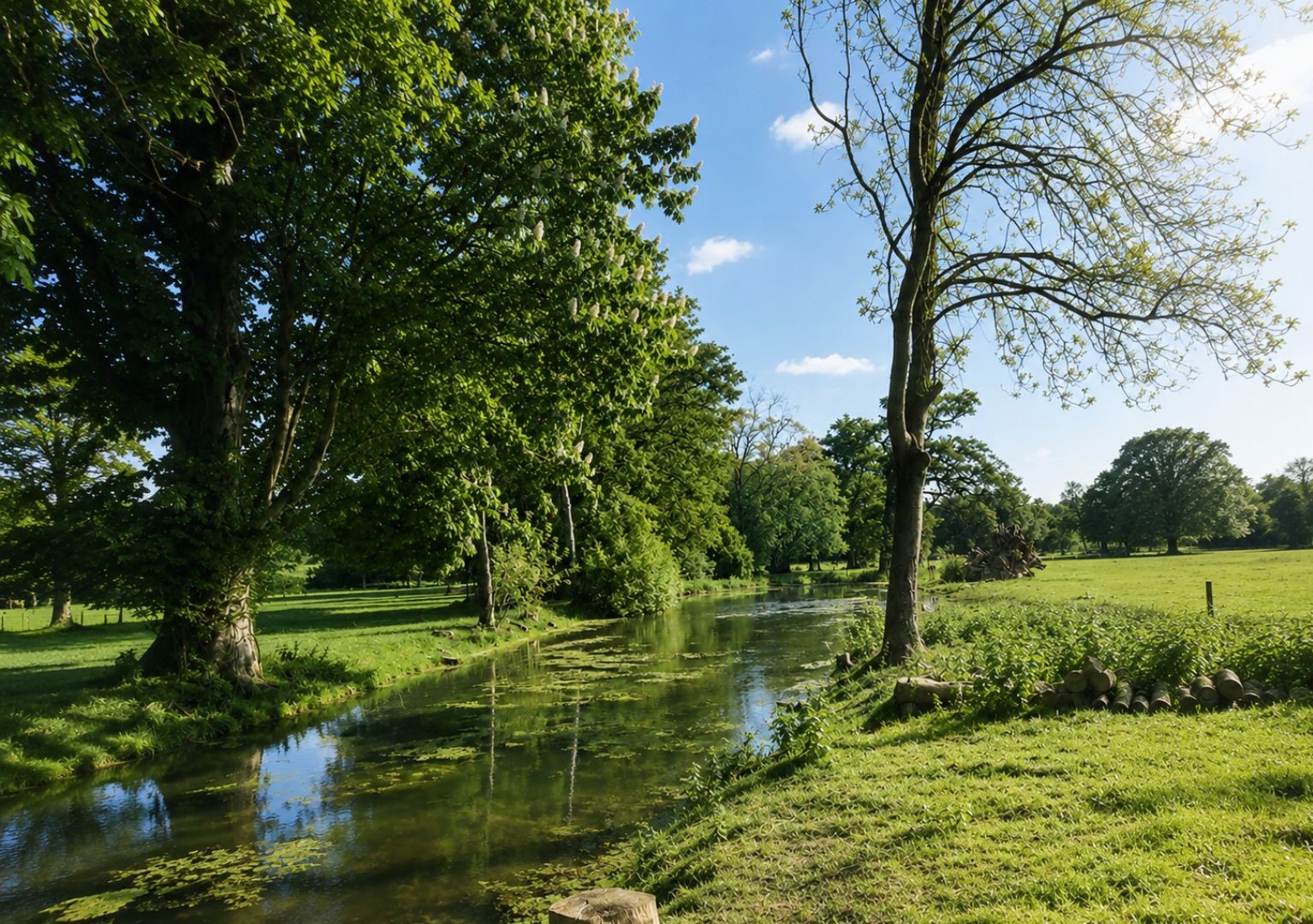
For rural venues and country estates, the conversation should extend beyond the event spaces themselves. How is the surrounding land managed? Is biodiversity protected? Are natural habitats being maintained or enhanced?
These considerations can be particularly important when planning sustainable corporate events in the countryside, where the relationship between the event and its environment is part of the experience.
Where does the food come from?
Catering is another important consideration when selecting a sustainable event venue.
Ask where ingredients are sourced and how much of the menu is seasonal and locally produced. Working with local suppliers can reduce unnecessary transportation while supporting businesses within the surrounding community.
Food waste should also be considered. How does the venue minimise waste? What happens to surplus food? Are unavoidable food scraps recycled or composted?
For corporate events, sustainable catering does not have to mean compromising on quality or experience. In fact, menus based around seasonal and locally sourced ingredients can provide a more distinctive sense of place.

Does the venue support the local economy?
Sustainability encompasses more than environmental impact.
A genuinely responsible venue should consider how its activities benefit the people and businesses around it. Event organisers should ask whether the venue works with local suppliers, tradespeople, producers and hospitality businesses.
This can be particularly relevant when choosing a historic country estate. The ongoing maintenance of heritage buildings and landscapes can support specialist craftsmanship, rural employment and traditional skills.
Events can therefore contribute to a wider ecosystem of economic and cultural sustainability.
How does the venue manage its land and heritage?
A venue’s environmental responsibility extends to the land on which it sits. Ask how the landscape is managed, how biodiversity is protected and how buildings are maintained.
This creates an important distinction between a venue that simply hosts sustainable events and one where sustainability is embedded within the purpose and management of the local area.
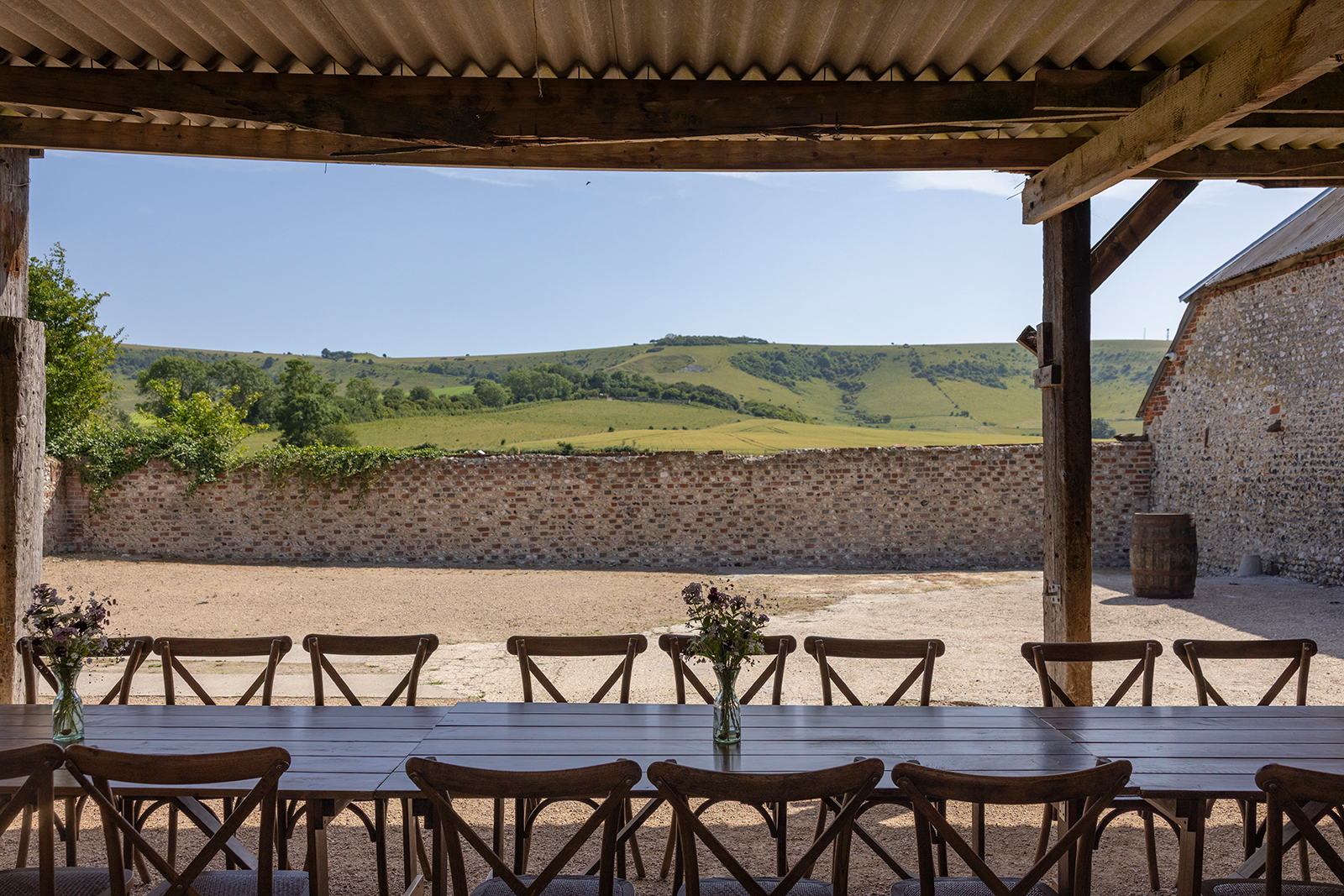
For estates and rural venues, this may be one of the most important questions of all. At Firle Estate, for example, events form part of a wider approach to responsible stewardship. The Estate seeks to balance the conservation of its historic environment and landscape with sustainable development, while supporting rural employment, biodiversity and local craftsmanship.

How can businesses make their corporate events more sustainable?
Venue selection is only one part of creating sustainable corporate events, but it can provide the foundation for many other decisions.
Organisers can also consider guest travel, accommodation, production materials, temporary infrastructure, catering, waste, energy use and event communications.
Choosing a venue with existing infrastructure and a strong sustainability strategy can help reduce the need for unnecessary temporary resources. Similarly, selecting local suppliers and seasonal catering can reduce the environmental impact associated with transporting goods and people.
Most importantly, sustainability should be considered at the beginning of the planning process rather than added as an afterthought.
Questions to ask a sustainable event venue
Before confirming a venue, event organisers should consider asking:
- What are the venue’s sustainability objectives?
- How does the venue measure and reduce energy consumption?
- How is water managed?
- What happens to event waste?
- Where are food and other supplies sourced?
- How is food waste managed?
- Does the venue work with local suppliers?
- How does it support local employment?
- How is biodiversity protected?
- How are historic buildings and landscapes maintained?
- What sustainability measures are already built into the venue?
- What additional steps can be taken to make our event more sustainable?
The answers can reveal much more than a sustainability accreditation or marketing statement.
Sustainability should be part of the experience
Ultimately, the best sustainable event venues do not treat sustainability as an optional extra. It is integrated into the way the venue operates and the experience it creates.
For corporate brands, this can provide an opportunity to align an event with wider ESG and sustainability objectives without compromising the quality, atmosphere or sense of occasion that makes live events valuable.
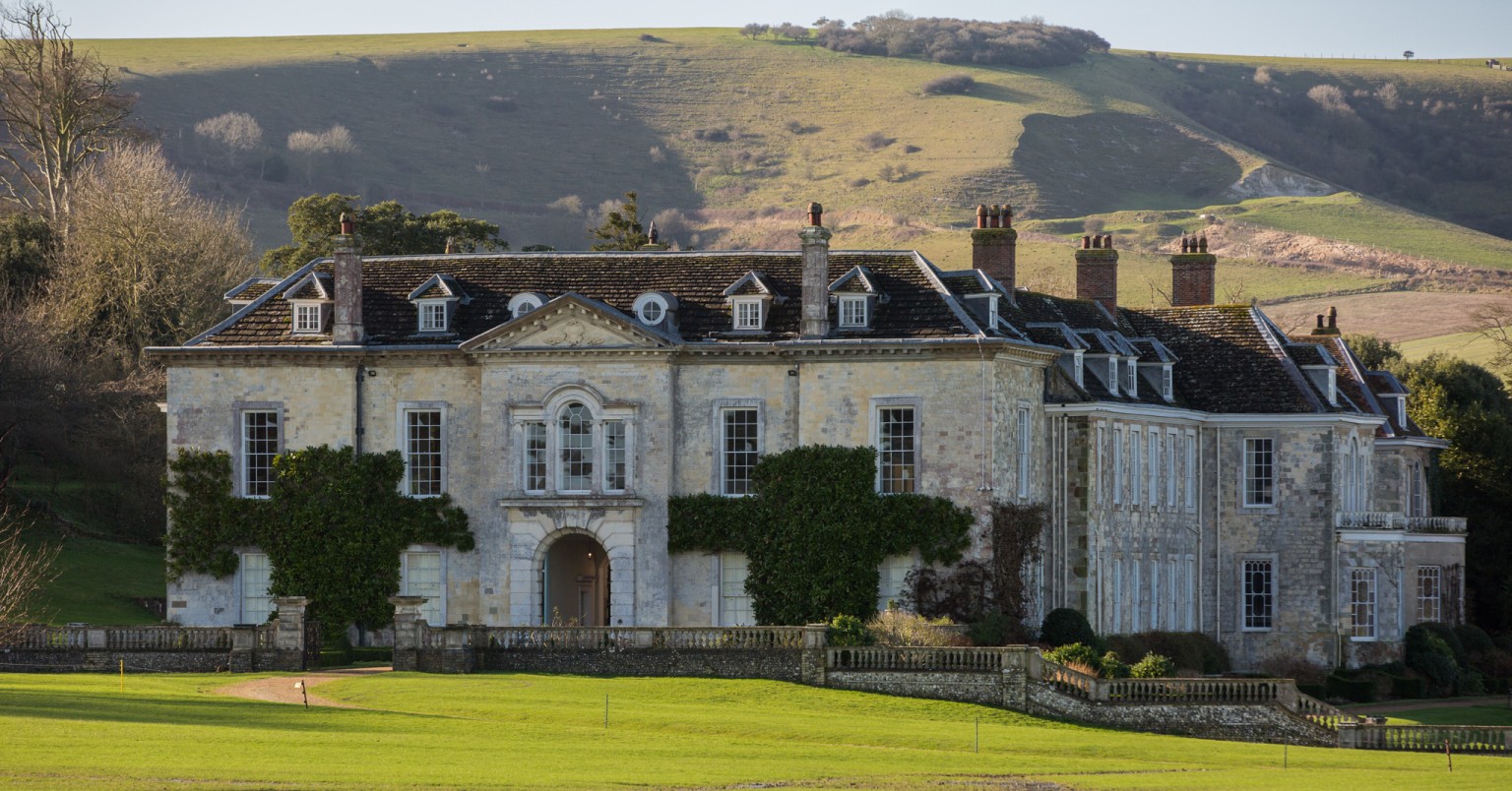
A historic country estate such as Firle can offer another dimension: the opportunity for an event to take place within a landscape that is actively managed and conserved for the future.
The most meaningful sustainable corporate events are therefore not necessarily those with the most visible environmental initiatives. They are events hosted in places where responsible stewardship is already part of the story.
For event organisers, that makes the most important sustainability question surprisingly simple: What is the venue doing to ensure that the place you are visiting today can still be enjoyed tomorrow?

Frequently Asked Questions
What is a sustainable event venue?
A sustainable event venue is a venue that actively manages and reduces the environmental, social and economic impacts of its operations. This can include responsible energy and water use, waste reduction, sustainable catering, local sourcing, biodiversity protection and support for local communities.
What should I look for when choosing a sustainable event venue?
Look beyond sustainability claims and ask for evidence of practical measures. Consider energy and water management, waste reduction, food provenance, local suppliers, biodiversity, transport, existing infrastructure and the venue’s long-term sustainability strategy.
How can corporate events be made more sustainable?
Businesses can make corporate events more sustainable by choosing an environmentally responsible venue, reducing unnecessary travel and materials, using local suppliers, selecting seasonal catering, minimising waste and considering sustainability throughout the planning process.
Why is venue choice important for sustainable corporate events?
The venue influences many aspects of an event’s environmental footprint, including energy use, catering, waste, transport, accommodation and temporary infrastructure. Choosing a venue with sustainability embedded into its operations can therefore make responsible event planning significantly easier.
Are country estates suitable for sustainable corporate events?
They can be, particularly where the estate actively manages its land, buildings and resources with long-term stewardship in mind. Historic estates can also provide opportunities to support local employment, craftsmanship, biodiversity and rural economies alongside hosting corporate events.