



A Concise History of Firle Place
Located beneath the rolling chalk hills of the South Downs National Park, Firle Place stands as one of Sussex’s most remarkable historic estates. For more than 500 years, it has been the home of the Gage family, preserving a rich legacy of architecture, landscape stewardship, art and culture that continues to captivate visitors today. Combining Tudor origins with Georgian elegance, Firle Place offers a rare opportunity to experience living history within one of England’s most celebrated landscapes.
A House Shaped by Five Centuries of History
The story of Firle Place begins in the late 15th century when Sir John Gage established the estate as his principal residence. A prominent figure at the Tudor court, Sir John served under Henry VIII and held several significant offices, including Constable of the Tower of London. Under his ownership, Firle became both a family home and a centre of influence in Sussex.
What makes Firle Place particularly fascinating is its continuity. Unlike many historic country houses that have passed through numerous owners, the estate has remained in the hands of the Gage family for more than five centuries. This remarkable continuity has helped preserve not only the house itself but also the traditions, collections and landscape that define its character today.
Over the centuries, Firle has witnessed some of the most significant periods in British history, from the Tudor era and the Georgian age to two World Wars. During the First World War, students from the nearby Southover Manor School in Lewes were housed at Firle Place. During the Second World War, the house served as accommodation for Canadian troops, adding another chapter to its long and varied story.
Tudor Foundations, Georgian Grandeur
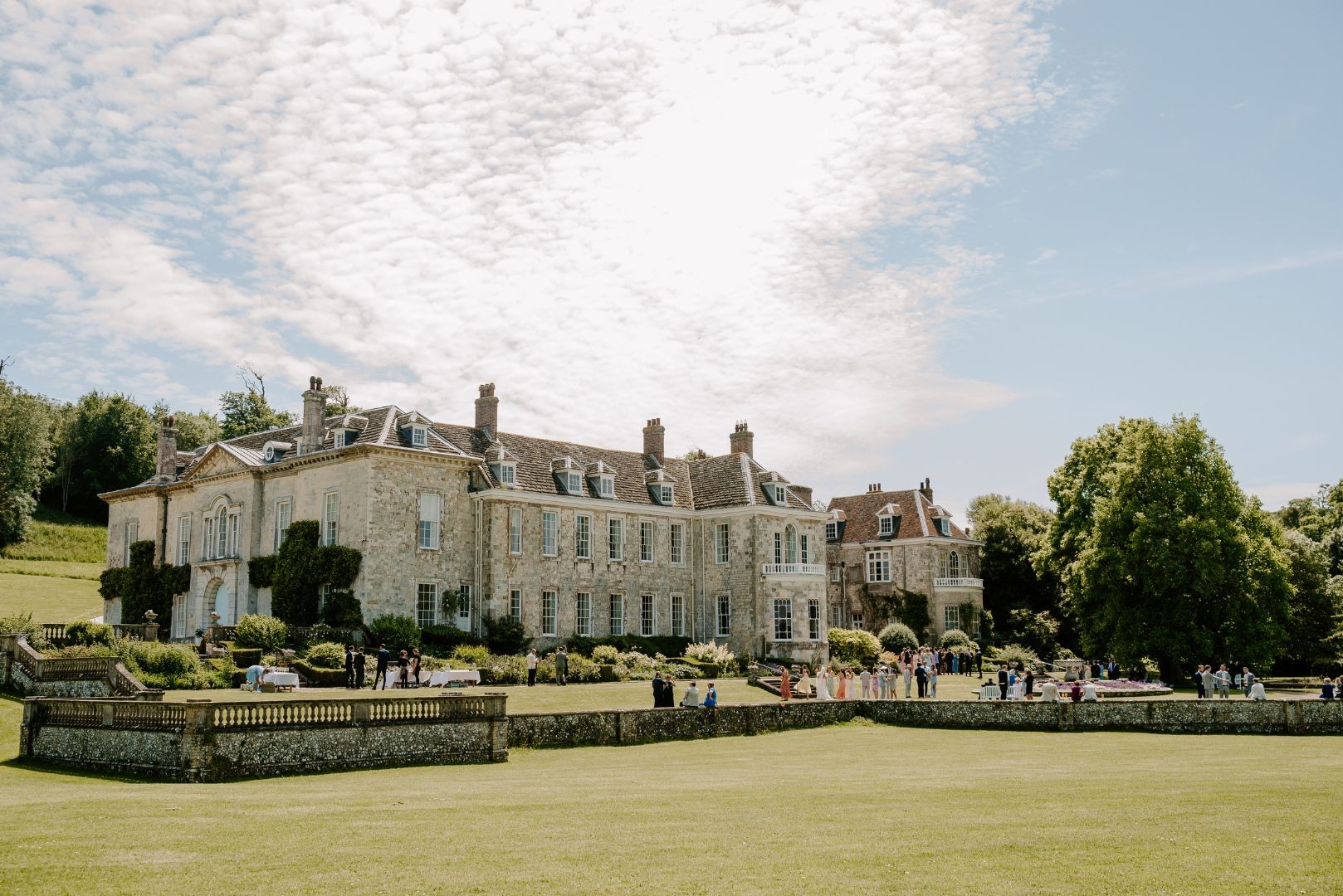
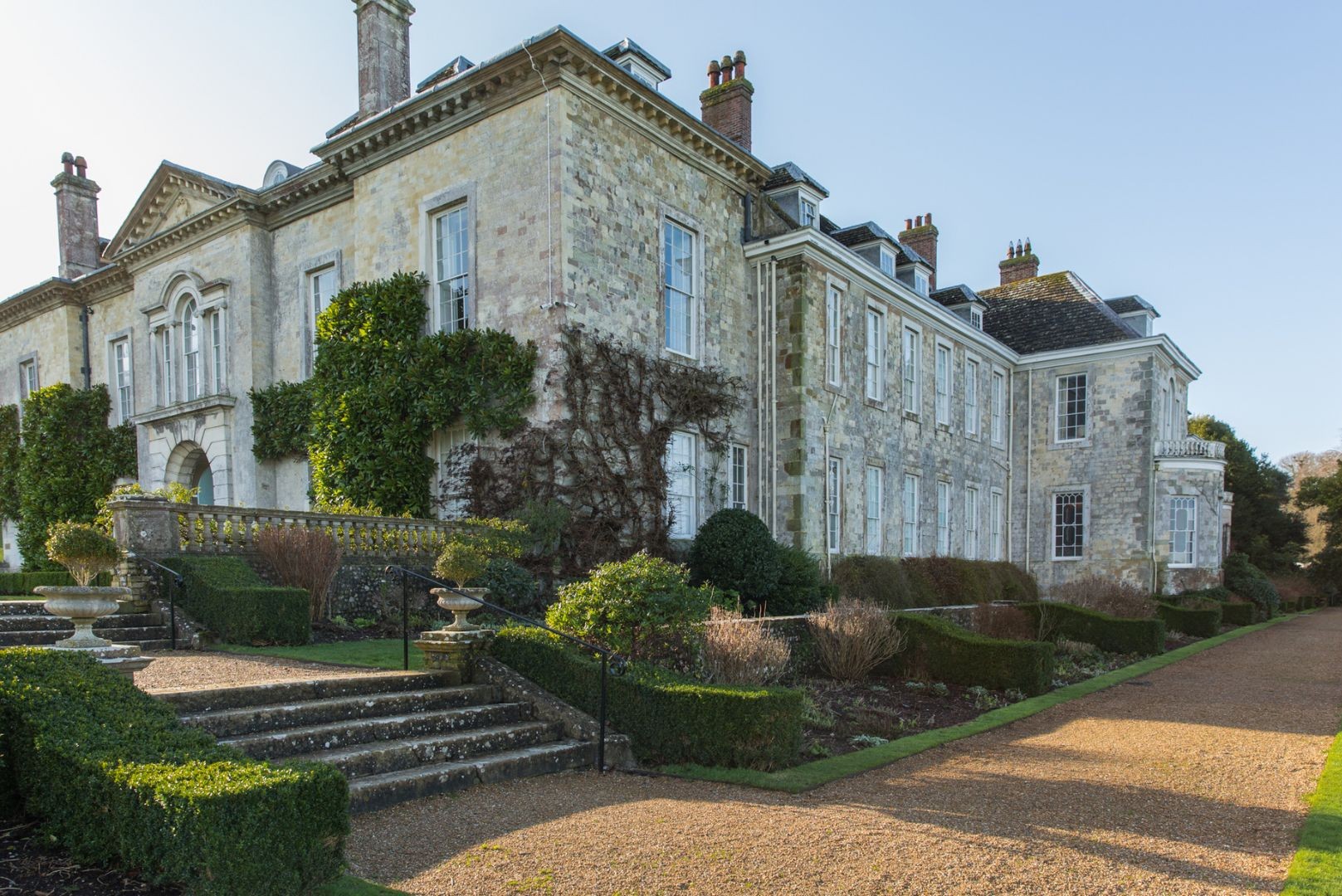
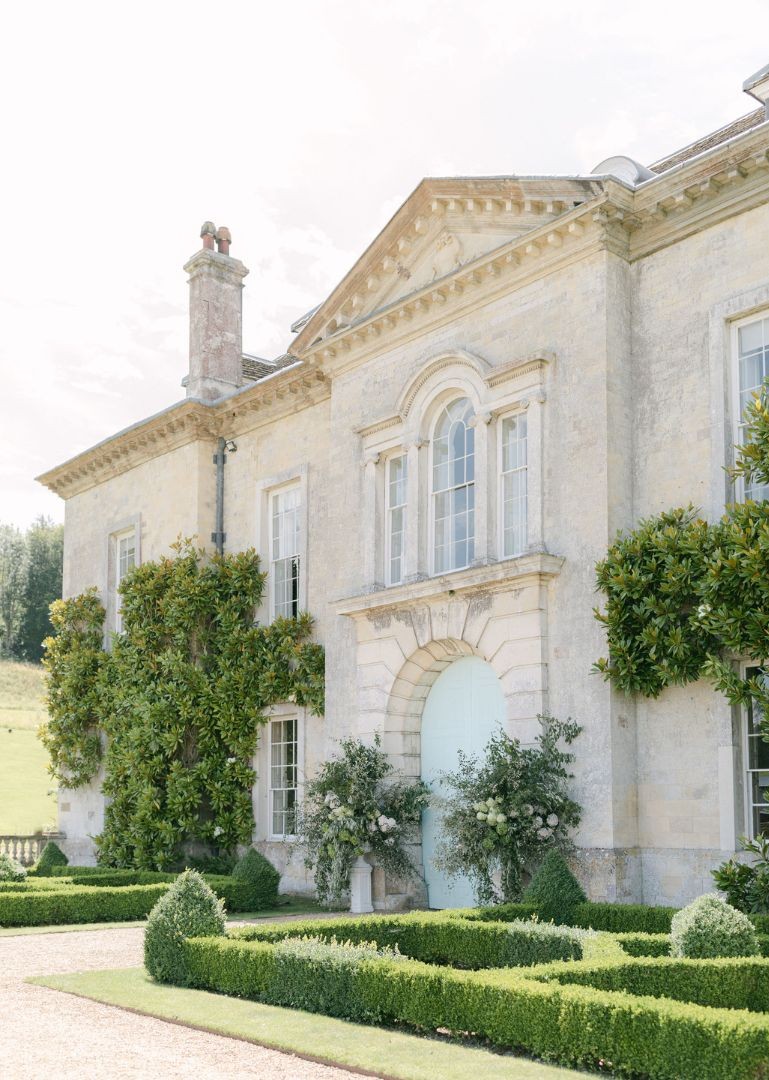
One of Firle Place’s most distinctive features is its architecture. At first glance, visitors encounter an elegant Georgian façade clad in pale Caen stone, creating the impression of a classical country mansion. Yet behind this refined exterior lies the heart of a Tudor house, offering a unique blend of architectural styles.
Much of the original Tudor structure survives, including the layout centred around an internal courtyard. During the 18th century, Sir William Gage undertook significant remodelling, transforming the exterior into the sophisticated Georgian residence seen today while preserving many of the house’s historic elements. The result is a building that tells the story of changing architectural tastes across generations.
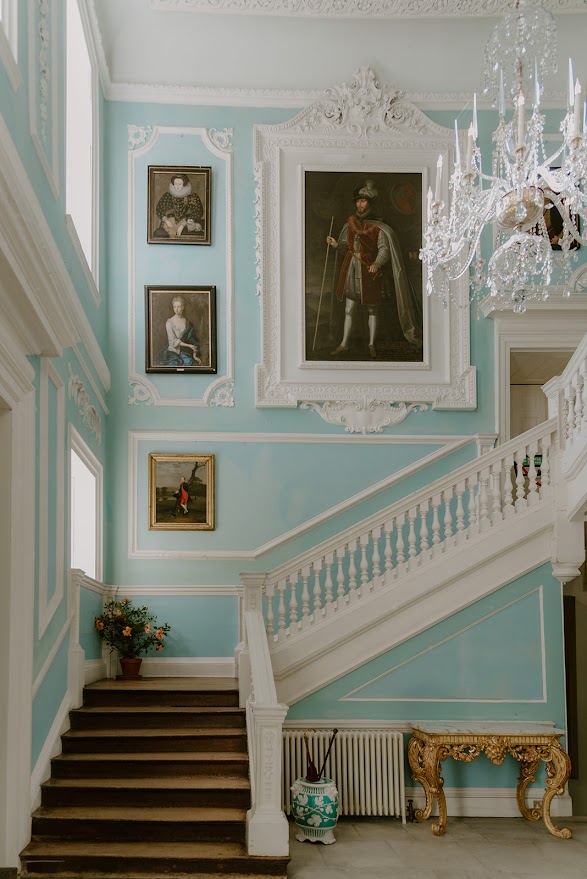
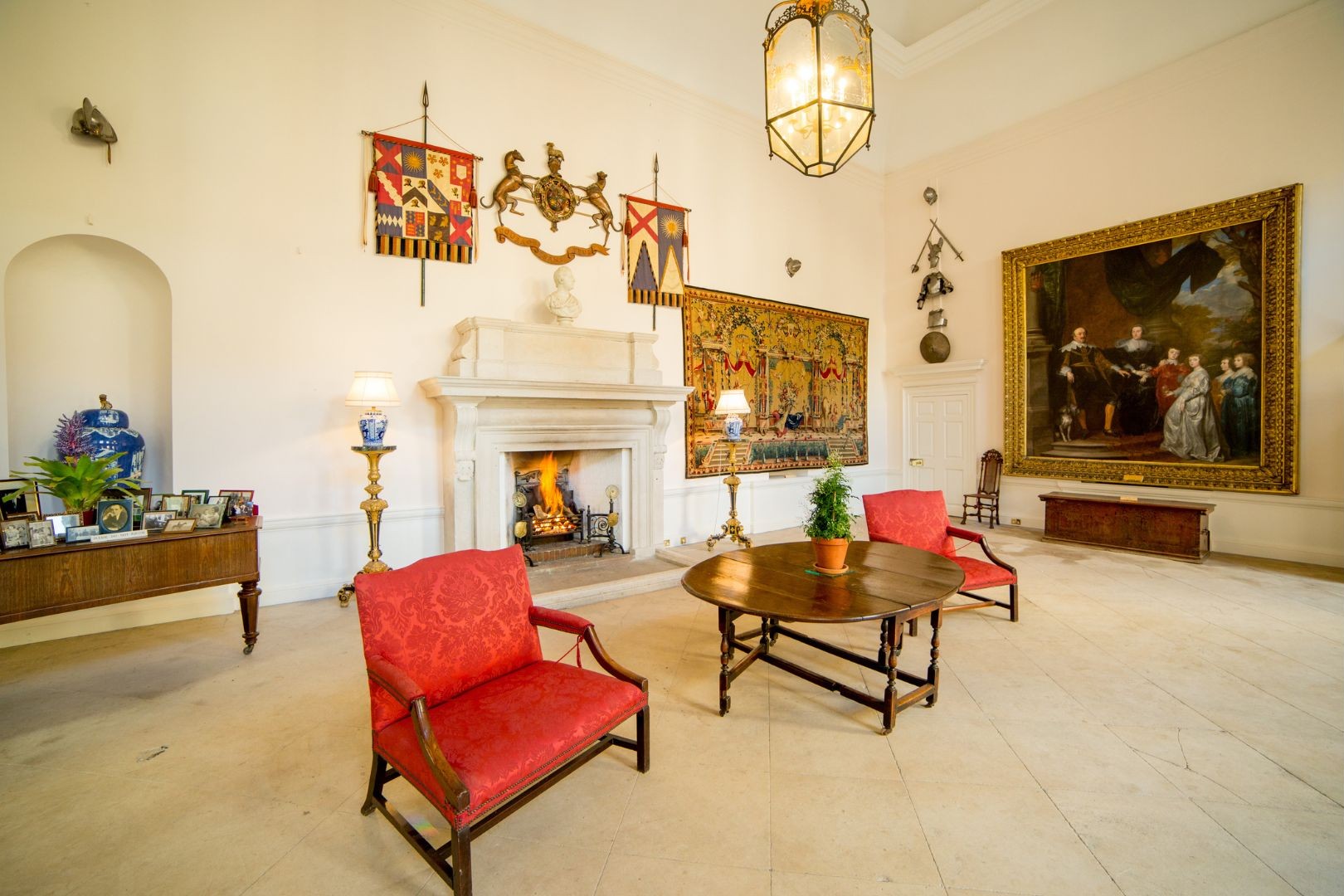
Inside, Firle Place houses an exceptional collection of art, furniture and porcelain. Works associated with artists such as Van Dyck, Reynolds and Gainsborough sit alongside fine English and European furniture, reflecting centuries of collecting and patronage. These collections provide an intimate glimpse into the lives of the Gage families who shaped the estate over the centuries.
A Landscape of National Significance
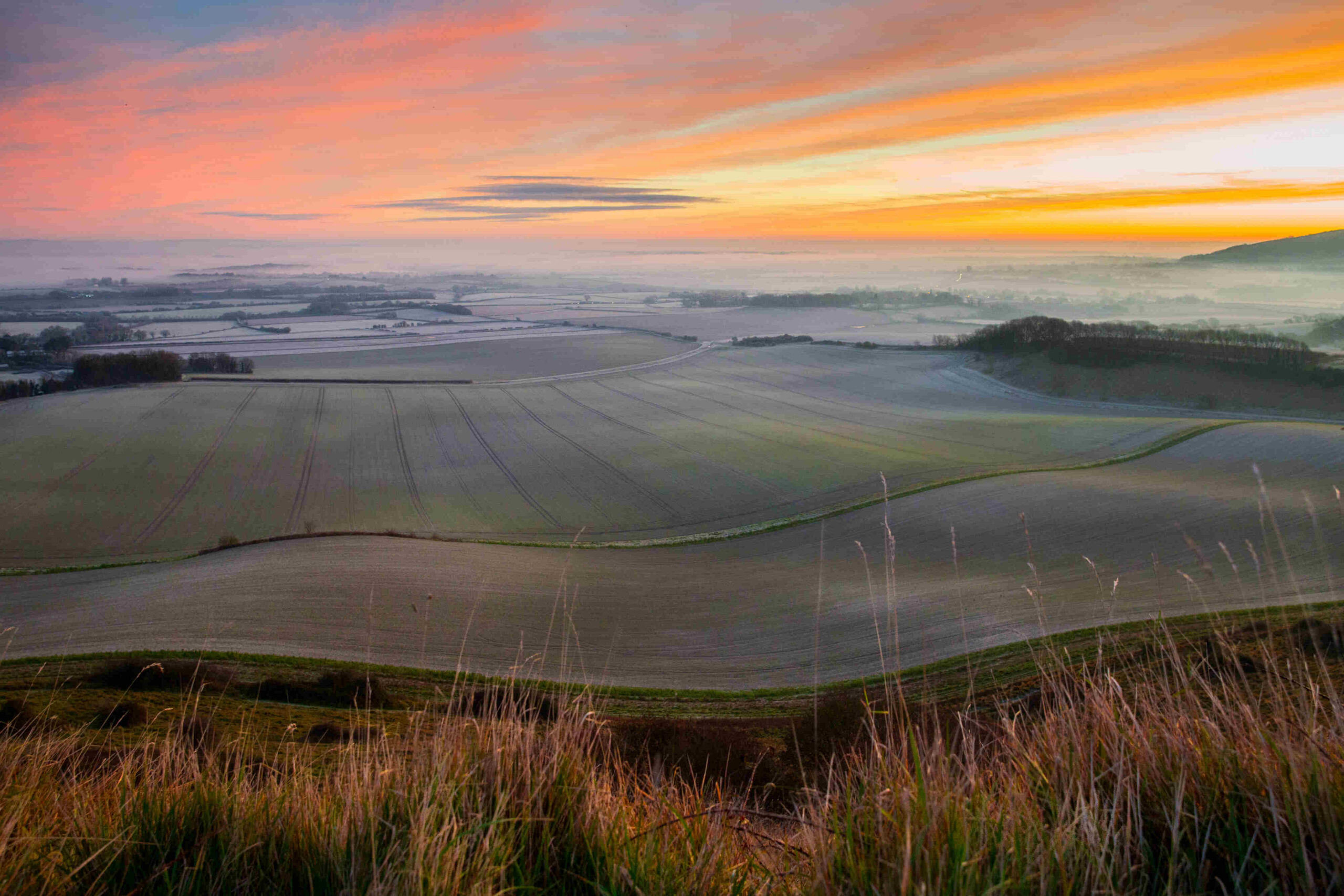
Firle Place is inseparable from its extraordinary setting. Located within the South Downs National Park, the estate occupies a landscape shaped by human activity for thousands of years. The village name itself derives from the Anglo-Saxon word “Fierol,” meaning oak-covered land, reflecting the area’s deep historical connection with the natural environment.
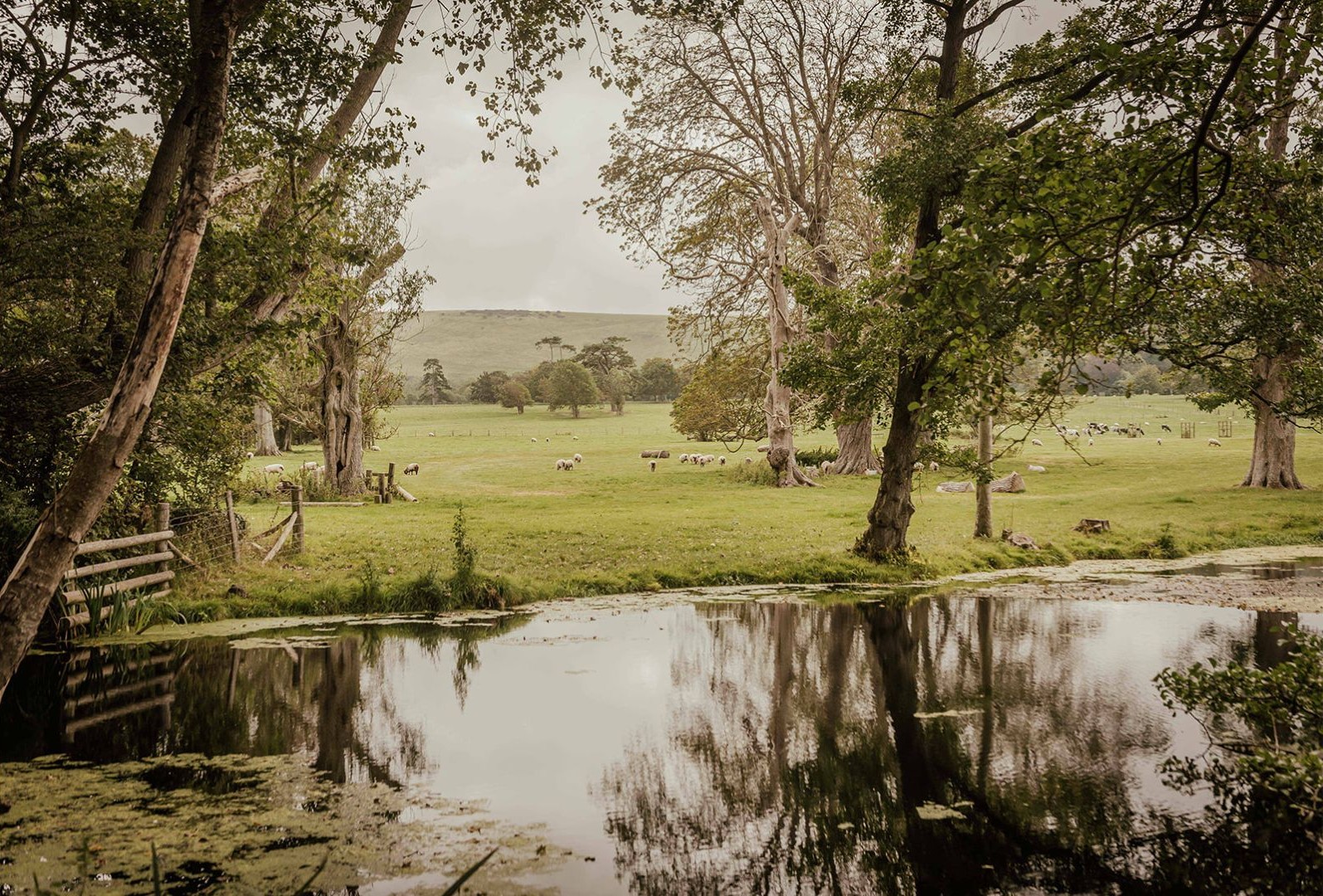
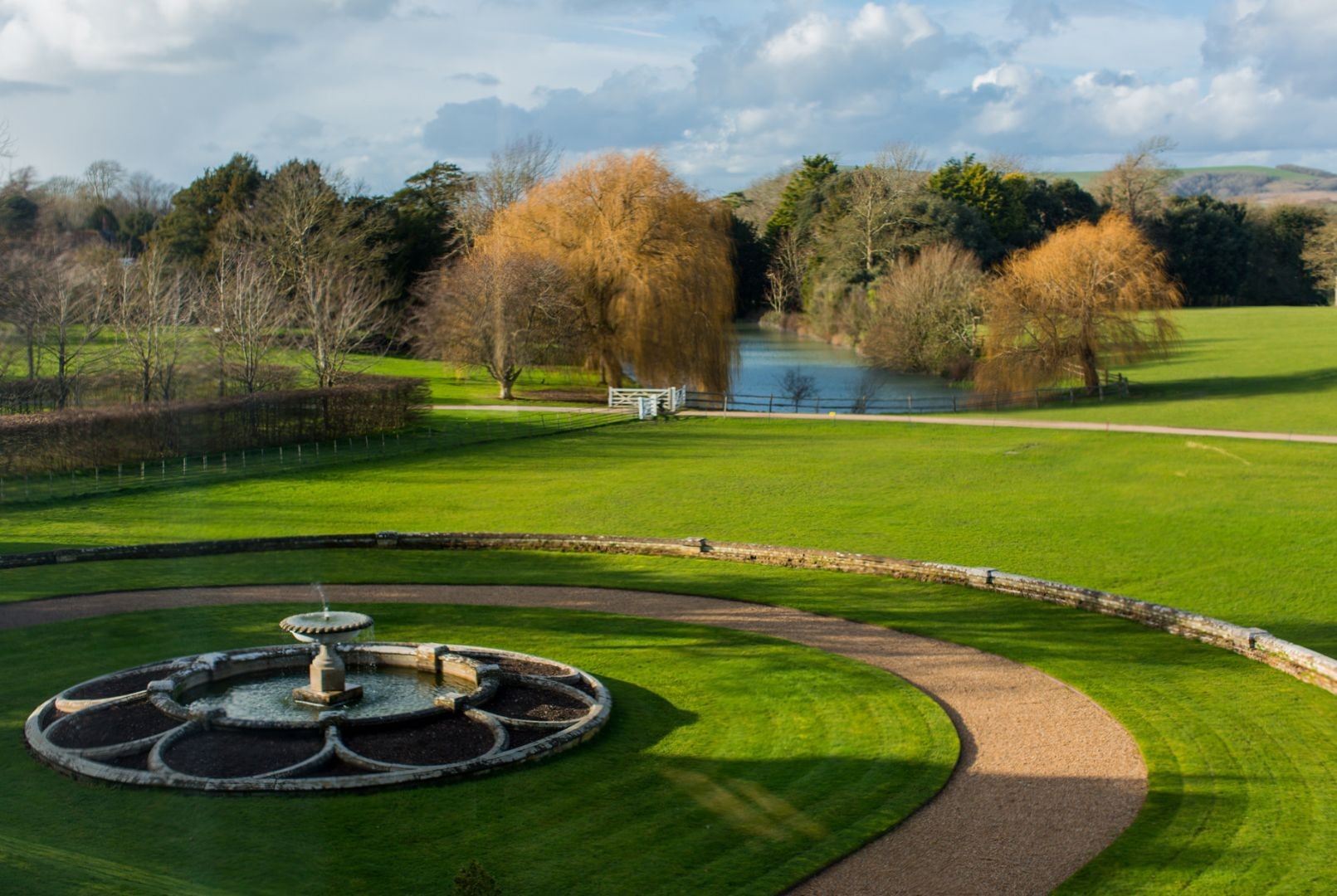
Today, the estate encompasses rolling parkland, farmland, woodland and historic gardens that stretch across the foot of the Downs. Historic records identify the grounds as a significant example of late 18th- and 19th-century parkland design, complemented by formal terrace gardens developed during the Victorian era.
The relationship between house and landscape is particularly striking. Sheltered beneath the dramatic slopes of Firle Beacon, the house appears almost hidden within the contours of the Downs. This sense of harmony between architecture and environment creates one of the most memorable historic settings in southern England.
The wider Firle Estate demonstrates how historic landscapes can continue to thrive as working environments while preserving their cultural significance. The estate is home to farms, villages and businesses that contribute to a vibrant rural community, and is managed with primary focus on sustainability, conservation and heritage.
Firle Place Today
While deeply rooted in history, Firle Place continues to evolve. In certain months of the year, the visitors from across the UK and beyond are welcomed to explore the house, gardens and collections while experiencing the beauty of the South Downs.
Firle Place, its parkland grounds and the wider Firle Estate combine beauty and versatility ensuring it has also become a sought-after location for cultural events, filming, private celebrations and corporate gatherings. For corporate event organisers and brand partners, Firle offers something increasingly rare: authenticity. The blend of architectural grandeur, historic significance, exceptional landscapes and contemporary event capabilities creates an environment that inspires meaningful experiences and lasting connections.
Discover the Magic of Firle Place
More than simply a historic house, Firle Place is a living estate where architecture, landscape and history come together to tell a story spanning over five centuries. Whether you are a history enthusiast, a lover of Britain’s natural landscapes, or an organisation seeking an extraordinary setting for an event, Firle Place offers a unique opportunity to engage with one of Sussex’s most treasured heritage destinations.